
Introduction
Maintaining your Lightning Protection System in Bangladesh is crucial for ensuring continuous safety against frequent lightning strikes. Companies like RKW GROUP provide expert maintenance services that keep your system fully functional, reliable, and compliant with safety standards, protecting homes, businesses, and electrical equipment throughout the year.
1. Why Regular Maintenance Is Critical
Bangladesh experiences frequent thunderstorms and heavy rainfall, which can weaken lightning protection systems over time. Regular maintenance ensures that:
- Lightning rods remain intact
- Conductors are not corroded
- Earthing resistance remains low
- Surge protection devices (SPDs) function correctly
Neglecting maintenance can reduce effectiveness and leave structures vulnerable to lightning damage.
2. Key Components That Require Maintenance
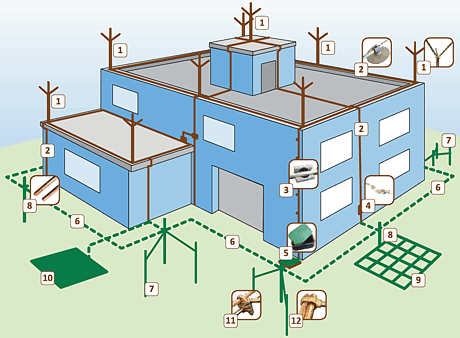
A Lightning Protection System in Bangladesh consists of multiple components, each needing attention:
- Air Terminals (Lightning Rods): Must be intact and rust-free
- Down Conductors: Ensure they are securely connected and corrosion-free
- Earthing System: Resistance must remain within safe limits
- Surge Protection Devices (SPD): Should be functional and compliant
- Bonding and Connectors: Must be secure to prevent side flashes
3. Inspection Schedule for Lightning Protection Systems
A regular inspection schedule ensures long-term safety:
- Monthly: Visual check for obvious damage, loose connections, or corrosion
- Quarterly: Check bonding and SPDs
- Annually: Measure earth resistance and test system continuity
RKW GROUP offers professional inspection schedules tailored for homes, offices, and industrial buildings.
4. Checking the Air Terminals
Air terminals are the first line of defense. Maintenance includes:
- Inspect for corrosion or physical damage
- Ensure rods remain at the highest point on the structure
- Check alignment after storms or strong winds
- Tighten loose mounting brackets
Proper maintenance ensures lightning is attracted safely and reliably.
5. Down Conductors Maintenance
Down conductors guide lightning current to the ground. Key practices include:
- Check for corrosion or broken sections
- Ensure conductors are securely fastened to walls
- Avoid sharp bends that increase resistance
- Inspect connectors at junction points
Maintaining conductors ensures the lightning path remains safe and effective.
6. Earthing System Maintenance
Earthing is the backbone of any lightning protection system. Maintenance steps include:
- Measure resistance annually (should be below 1–2 ohms for homes)
- Inspect earthing pits for moisture, corrosion, or damage
- Replace corroded rods or plates
- Add chemical compounds in dry soils to maintain conductivity
Proper earthing ensures lightning energy is safely discharged into the ground.
7. Surge Protection Device (SPD) Checks
SPDs protect indoor electronics and appliances from lightning-induced surges. Maintenance tips:
- Test SPDs regularly to ensure functionality
- Replace devices that have reached end-of-life or been damaged
- Ensure proper bonding with the main electrical panel
- Use certified SPDs compatible with system capacity
A functioning SPD is critical for protecting sensitive equipment from surges.
8. Bonding and Connectors Maintenance
All metallic structures, like water tanks, railings, solar panels, and antennas, must be bonded. Best practices:
- Inspect bonding connections for corrosion or looseness
- Ensure all metal structures are electrically connected to the system
- Use corrosion-resistant materials for connectors
- Test continuity regularly
Proper bonding prevents dangerous side flashes during lightning strikes.
9. Common Issues Found During Maintenance
During inspections, professionals often encounter:
- Rusted or broken lightning rods
- Loose or corroded down conductors
- High earthing resistance due to dry soil
- Faulty SPDs that no longer respond to surges
- Missing or broken bonding connections
Identifying and fixing these issues early prevents accidents and equipment damage.
10. Maintenance in Extreme Bangladeshi Weather
Bangladesh’s climate can accelerate wear and tear:
- Monsoon rains: Can corrode metal rods and conductors
- High humidity: Increases risk of rust
- Strong winds: May bend rods or loosen conductors
- Flood-prone areas: Can affect earthing pits
RKW GROUP designs maintenance strategies considering these unique local conditions, ensuring year-round protection.
11. Safety Precautions During Maintenance
Maintenance work on lightning protection systems can be risky. Safety precautions include:
- Avoid working on roofs during storms or wet conditions
- Use proper harnesses and ladders
- Shut off electrical supply when checking SPDs
- Only trained professionals should handle high points and conductors
Following safety rules ensures maintenance does not create new hazards.
12. Documentation and Reporting
Keeping records of maintenance activities is important:
- Document inspection dates and findings
- Record earth resistance measurements
- Note replacements or repairs made
- Schedule next inspection
- Maintain reports for insurance and safety compliance
RKW GROUP provides detailed maintenance reports for clients, ensuring transparency and compliance.
13. DIY Maintenance vs Professional Services
While homeowners can do minor visual checks, professional services are recommended for:
- Measuring earth resistance
- Testing continuity and bonding
- Replacing SPDs or corroded components
- Handling rooftop inspections safely
Professional maintenance ensures your Lightning Protection System in Bangladesh meets international safety standards.
14. Benefits of Regular Maintenance
Regular upkeep offers multiple benefits:
- Maximizes safety during lightning storms
- Prevents electrical fires and surges
- Extends the lifespan of the system
- Protects appliances, machinery, and electronics
- Ensures compliance with local and international standards
Investing in regular maintenance ensures peace of mind and long-term reliability.
15. Choosing a Maintenance Partner
A trusted partner ensures expert service. Key qualities include:
- Professional inspection and testing
- Use of certified and corrosion-resistant materials
- Knowledge of Bangladeshi climate conditions
- Proper documentation and reporting
- Preventive maintenance schedules
Companies like RKW GROUP offer comprehensive maintenance solutions tailored to homes, offices, and industrial buildings.
Conclusion
Maintaining your Lightning Protection System in Bangladesh is essential for protecting lives, property, and electrical equipment. With expert maintenance services from RKW GROUP, systems remain reliable, compliant, and ready to handle storms, ensuring continuous protection and peace of mind throughout the year.

 English
 Arabic
 French
 Spanish
 Portuguese
 Deutsch
 Turkish
 Italiano
 Russian
 Romaian
 Portuguese (Brazil)
 Greek
Greek