
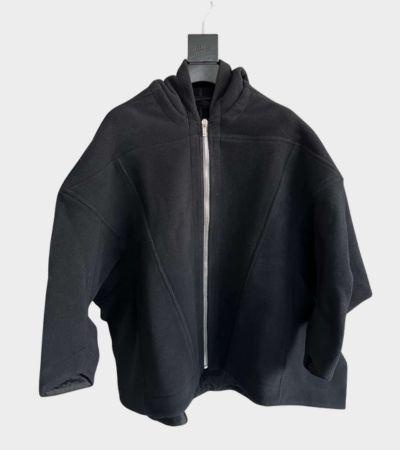
Quick honest note before anything else: fashion brands, this one included, generally don't operate on the kind of formal, multi-year warranty system you'd see with electronics or furniture. There's no standard "two-year warranty" card that comes in the box. What actually exists is a bit more scattered, and it's worth understanding what you're really covered by before assuming a warranty in the traditional sense applies.
What "Warranty" Actually Means for Clothing
For most clothing brands, protection against defects is generally handled through the return and refund window rather than a separate, ongoing warranty program. If a piece arrives with a rick owens law, a broken zipper, faulty stitching, a defect that wasn't caused by wear, that typically falls under standard return or exchange policy rather than a distinct warranty process. Outside that initial window, you're usually on your own for anything that develops later, which is standard across the fashion industry generally, not unique to this brand.
Check the Specific Retailer's Policy, Not Just the Brand's
Because pieces are sold both directly and through various authorized retailers, the specific policy that applies to your purchase depends heavily on where you actually bought it. The brand's own site will have its own terms. A third-party authorized retailer will have its own separate policy, which may differ in timeline or exact coverage. Always check the specific seller's return and defect policy rather than assuming a general brand-wide standard applies uniformly everywhere.
Manufacturing Defects vs. Normal Wear
This distinction matters a lot and gets confused often. A zipper that fails within the first few wears due to a manufacturing issue is different from a drawstring that frays after two years of regular use. The first is generally something worth raising with the retailer as a potential defect claim. The second is just normal wear and unlikely to be covered by anything, regardless of how the purchase was made or where.
Being realistic about which category an issue falls into saves you time contacting support about something that's unfortunately just expected wear rather than a covered problem.
Documentation Helps If You Need to Make a Claim
If something does seem like a genuine defect, keep your original receipt or order confirmation, and photograph the issue clearly as soon as you notice it. Retailers are generally more responsive to defect claims that come with clear documentation close to the time of purchase than vague complaints raised long after the fact without any supporting evidence.
Secondhand Purchases Generally Aren't Covered
If you bought a piece through resale, thrift, or an unauthorized secondhand channel, don't expect any kind of manufacturer coverage for defects at all. Whatever protection exists typically only extends to the original retail purchase and its own specific return window, not to subsequent secondhand transactions. This is worth factoring into how you evaluate secondhand pieces, since there's genuinely no safety net beyond your own inspection before buying.
What to Actually Do If You Suspect a Defect
Contact the specific retailer you purchased from directly, provide your order information and clear photos, and ask specifically about their policy for manufacturing defects rather than general returns. Response and resolution processes vary by retailer, so getting a direct answer from them is more useful than assuming a blanket policy applies across every possible seller.
Setting Realistic Expectations
The honest takeaway here is that you're mostly protected during the standard return window, and after that, ongoing durability depends on the piece's actual construction quality and your own care habits rather than any formal warranty backstop. This isn't a criticism specific to this brand, it's just how the fashion industry generally handles this, and knowing that upfront helps you make more informed decisions about care and purchase timing.

 English
 Arabic
 French
 Spanish
 Portuguese
 Deutsch
 Turkish
 Dutch
 Italiano
 Russian
 Portuguese (Brazil)
 Greek