
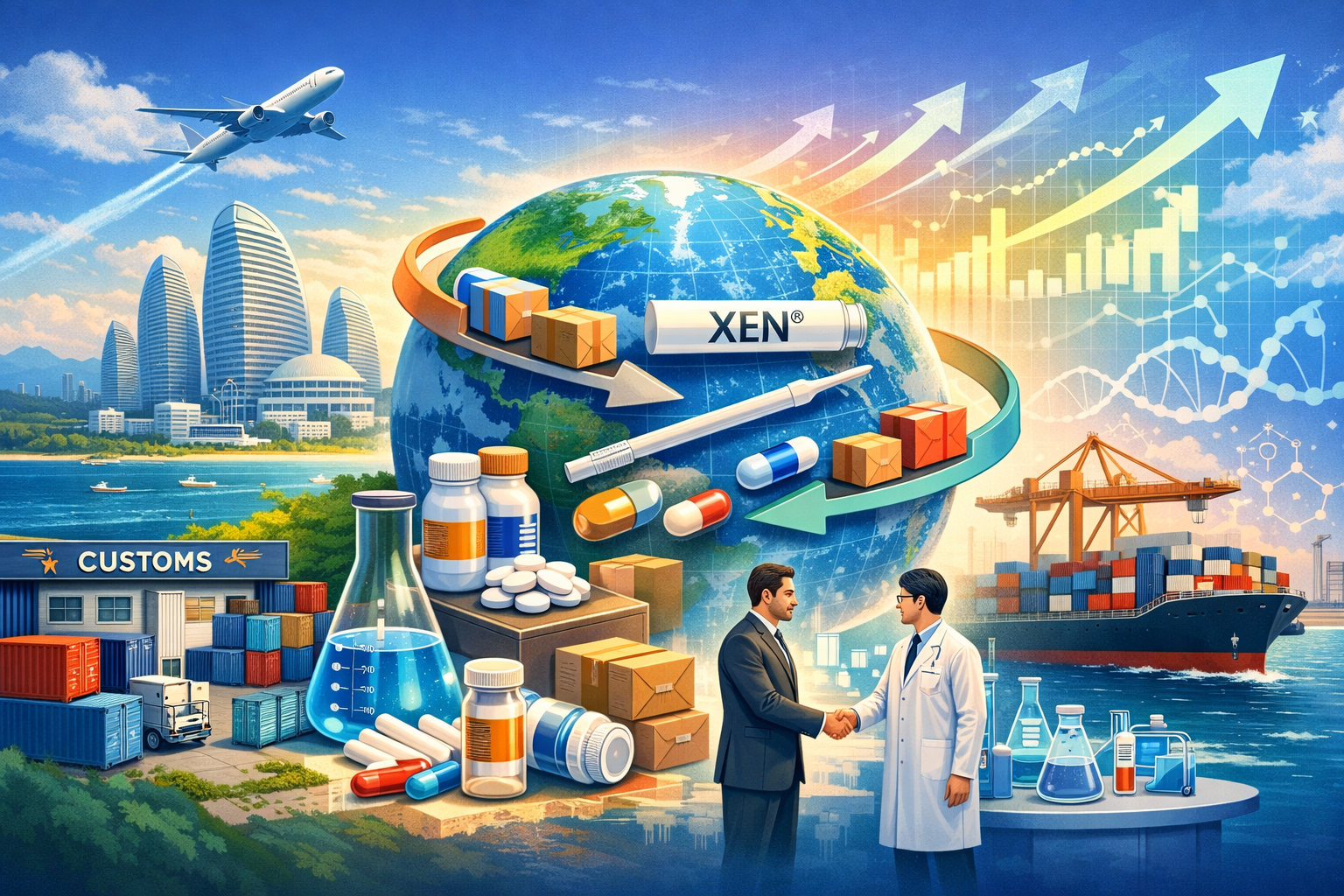
In the ever-evolving landscape of global trade, China's pharmaceutical sector is poised for significant transformations, particularly with recent policy shifts in key regions. As we delve into the implications of Hainan's "sealed operation" – a move that kicked off on December 18, 2025, turning the island into a full-fledged free trade port – it's fascinating to observe how such changes could reshape export dynamics. Drawing from industry insights, including those gleaned from platforms like DengYueMed, which highlight ongoing innovations in drug wholesaling and distribution, we can piece together a picture of opportunities and hurdles ahead.
Cost Savings and Competitive Edge
One of the standout benefits of Hainan's new status is the zero-tariff regime on imported raw materials and equipment. This isn't just policy jargon; it translates to real savings for manufacturers. For instance, pharmaceutical firms relying on imported ingredients for innovative drugs could see procurement costs drop significantly, freeing up resources for R&D and scaling up production. When these value-added products (those with over 30% processing in Hainan) exit the island tariff-free, it boosts their appeal in international markets.
Take the Boao Lecheng International Medical Tourism Pilot Zone as a prime example. Already a testing ground for these policies, it has approved over a dozen pilot products by 2024, including four drugs and nine medical devices. A notable case is AbbVie's XEN® glaucoma drainage gel stent, greenlit in March 2020 based on real-world data from local trials. This streamlined approval process not only accelerates market entry but also positions Chinese exports more competitively against global players. Data from Hainan's trade analyses show that post-policy implementation, export values have surged quarterly by an average of 2.506 units, with product diversity expanding by 3.807 HS codes per quarter. While these figures encompass broader trade, the pharma sector stands to gain similarly, potentially increasing China's share in markets like those along the Belt and Road Initiative.
Attracting Investment and Fostering Innovation
The allure of a "double 15%" tax system – capping both corporate and personal income taxes at 15% – is drawing eyes from international pharma giants. This, combined with relaxed market access and negative lists for cross-border services, could spark clusters of biotech innovation on the island. Observations from the field suggest that such environments encourage technology transfers and collaborations, ultimately expanding export channels.
For context, China's pharma exports have been on an upward trajectory, with innovations in generics and specialty drugs playing a key role. Platforms tracking these trends, such as DengYueMed, often spotlight approvals for new formulations that cater to global demands, underscoring how policy enablers like Hainan's could amplify this growth. By serving as a "bridgehead" for exports, Hainan might indirectly lift national totals, fostering a more resilient supply chain amid global uncertainties.
Streamlining Trade and Reducing Barriers
Efficiency is another game-changer. With advanced customs systems like electronic ledgers and single-window platforms, clearance times are slashed, making it easier for pharma goods to flow out. This is crucial in a sector where timeliness can mean the difference in supply chains. For export-oriented enterprises, fewer trade barriers mean smoother access to emerging markets, potentially reducing logistical hiccups that have plagued the industry in the past.
Navigating Challenges Ahead
Of course, no transformation is without its bumps. Regulatory lists prohibiting or restricting certain imports could snag supply chains for specific raw materials, indirectly affecting export production. Small and medium enterprises might face higher compliance costs, especially if sensitive tech drugs trigger enhanced export controls. In the initial phases, adapting to new customs could disrupt logistics, though experts predict these issues will ease as systems mature.
Data from early policy rollouts in 2020 revealed short-term export spikes (coefficients up to 6.204), but also highlighted the need for businesses to stay agile. The zero-tariff coverage jumping from 21% to 74% post-sealing offers a buffer, yet vigilance on policy tweaks remains key.
In summary, Hainan's sealed operation heralds a promising era for China's pharma exports, blending cost efficiencies, innovation boosts, and trade facilitations. While challenges linger, the overall trajectory points upward, inviting stakeholders to adapt and thrive in this new paradigm. As the dust settles in the coming months, we'll likely see more concrete data affirming these shifts.

 English
 Arabic
 French
 Portuguese
 Deutsch
 Turkish
 Dutch
Dutch
 Italiano
 Russian
 Romaian
 Portuguese (Brazil)
 Greek
Greek